


Back to Factory Fresh: The Anatomy of a Perfect Repair
For a long time, the public idea of auto body repair was pretty straightforward: hammer out the dent, throw on some body filler, spray a coat of matching paint, and call it a day. But if you think modern cars can be fixed using yesterday's garage logic, you might end up driving something that's structurally compromised.
Whether it's a minor parking lot fender-bender or a heavy collision on the highway, wrecking your car feels like it completely derails your routine. Your first thought is usually a mix of frustration and worry: “How bad is this going to be, and will my car ever actually drive right again?”
Today’s vehicles are essentially rolling computers wrapped in advanced metallurgy. Getting that "factory fresh" look and feel back isn’t just about cosmetics—it’s a precise, highly scientific process. Let’s pull back the curtain on what goes into a genuinely flawless repair, and why precision engineering matters more than ever.
🔍 Looking Past Sheet Metal
When a car rolls into a modern shop, what meets the eye is rarely the full story. A cracked plastic bumper cover or a buckled fender is usually just the tip of the iceberg. Underneath those exterior panels lies an intricate network of structural safeguards designed to absorb energy and protect you in an accident.
Hidden beneath those outer panels are complex webs of technology and safety engineering:
- Energy Absorbers & Reinforcement Bars: These components are specifically engineered to collapse in a predictable sequence during an impact to keep the cabin safe. If they are bent or improperly straightened out instead of replaced, they will fail to protect you in a second collision.
- Advanced Driver Assistance Systems (ADAS): That sleek front grille or side mirror isn't just for looks—it houses radar transmitters, lidar units, and high-definition cameras.
- Sensor Calibration: A microscopic shift in a bumper bracket can throw your blind-spot monitoring, lane-keep assist, or automatic emergency braking completely out of whack.
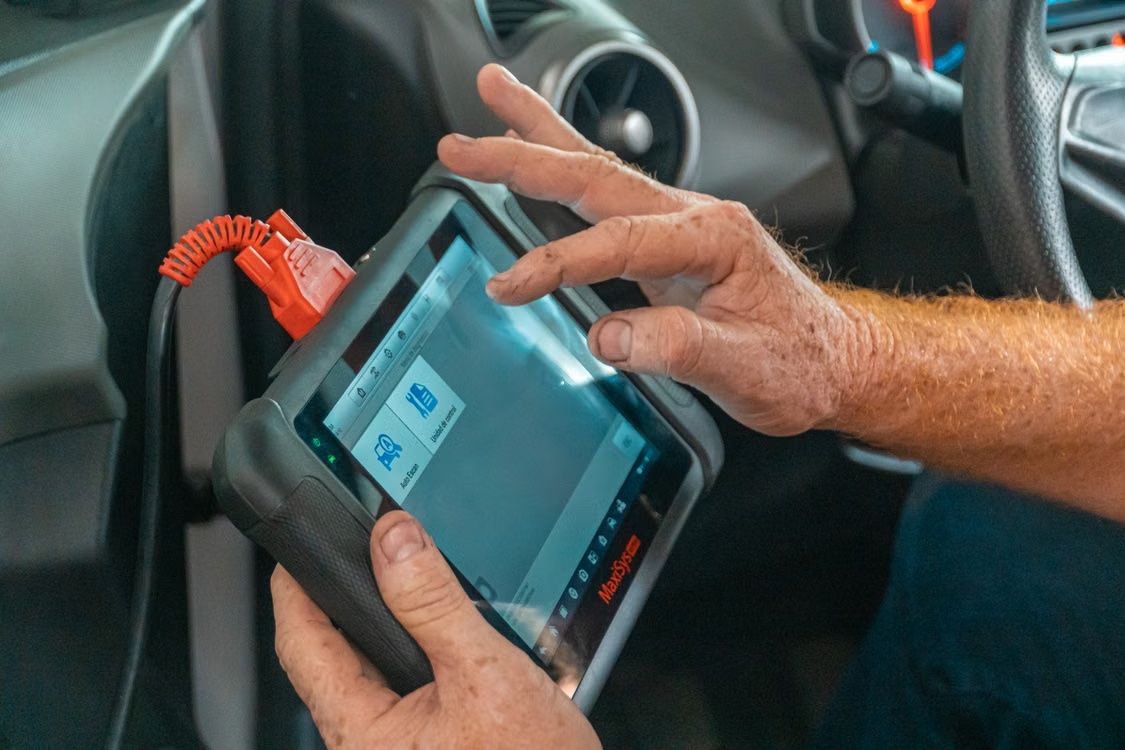
Because so much is hidden, a proper repair always starts with thorough blueprinting and pre-repair electronic diagnostics (OBD-II scans) to catch hidden electrical or structural fault codes before a single tool touches the car.
🛡️ Why High-Strength Steel Demands Respect
Automakers completely redesigned vehicle skeletons over the last decade to maximize fuel efficiency and crash safety. Gone are the days when every car frame was made of soft, pliable mild steel.
Modern cars use High-Strength Steel (HSS), Ultra-High-Strength Steel (UHSS), and bonded aluminum. While these advanced materials are incredible at keeping you safe during an impact, they come with strict rules:
- The Heat Trap: Applying an old-school torch to a UHSS pillar can instantly ruin its crystalline structure, turning a hardened safety zone into a brittle hazard.
- Specialized Joining: Technicians cannot just slap a weld anywhere. They have to use factory-approved methods like Squeeze Type Resistance Spot Welders (STRSW) to replicate original spot welds without heat distortion, alongside Self-Piercing Rivets (SPR) for aluminum structures.
Recreating factory-level strength means sticking strictly to OEM (Original Equipment Manufacturer) repair procedures. Taking shortcuts doesn't just hurt resale value—it impacts your physical safety on the road.
🎨 The Transformation
Once the structural skeleton is dialed back to exact factory dimensions using 3D laser-measuring systems, the vehicle moves into the artistic and chemical phase of refinishing. Making a repair invisible takes an incredible amount of patience and chemical precision.
1. Substrate Stabilization
Technicians feather-edge primer and paint layers with progressive sandpaper grits to make the surface optically seamless.
2. The Refinish Matrix
High-grade basecoats and UV-protectant clear coats are applied in specialized downdraft spray booths that strictly control temperature and humidity, ensuring a color match that won't fade or peel over time.
3. The Post-Scan Check
Before a car is ever handed back to a customer, technicians run final electronic calibration scans to guarantee every safety sensor, camera, and airbag module communicates exactly as intended.
🏆 Why Experience Matters in the Long Run
When you look at everything that goes into modern collision repair—from computerized diagnostics and laser measuring to chemical clear-coat curing—it becomes obvious that fixing a car is no longer a backyard hobby. It is an exact science that requires continuous training, specialized machinery, and an uncompromising commitment to doing things the right way. Your car protects your family every single day on the road, and when the unexpected happens, it deserves a restoration that respects its engineering.
🚗 Experience Seamless Restoration with Tip Top Auto Body
Dealing with the aftermath of an accident shouldn't feel like a second job. If you want your vehicle fixed with absolute precision, you need a team that pairs elite technical mastery with genuine care.
Located at 150 Denton Ave, Garden City Park, NY 11040, Tip Top Auto Body has been a trusted pillar for Long Island drivers since 1981. Backed by over 5,000 reviews, their I-CAR Gold and OEM-certified technicians handle everything under one roof—from frame alignment and 24/7 towing to auto glass and detailed finishing.
Even better? They take the administrative headache off your plate by working directly with your insurance provider, and they back all parts and paint with a solid lifetime warranty.
Don't let post-accident stress drag you down. Visit Tip Top Auto Body today to submit photos for a free estimate or call their team directly at (516) 746-6663 to get your vehicle safely back to factory fresh.
Other articles

Do I Have To Use My Insurance’s Recommended Body Shop?
Do I Have To Use My Insurance’s Recommended Body Shop?

How Long Does Collision Repair Take in New Hyde Park?
How Long Does Collision Repair Take in New Hyde Park?
Paintless Dent Repair vs Traditional Body Work - What’s the Difference?
Paintless Dent Repair vs Traditional Body Work - What’s the Difference?